.png)
Powering Zambia's Future: Navigating Energy Crisis Through Strategic Investment.
By Mr. Fitzpatrick Kapepe - Director Strategy and Business Development at ZESCO. ZESCO is national power utility in Zambia.
- Current Power Shortages
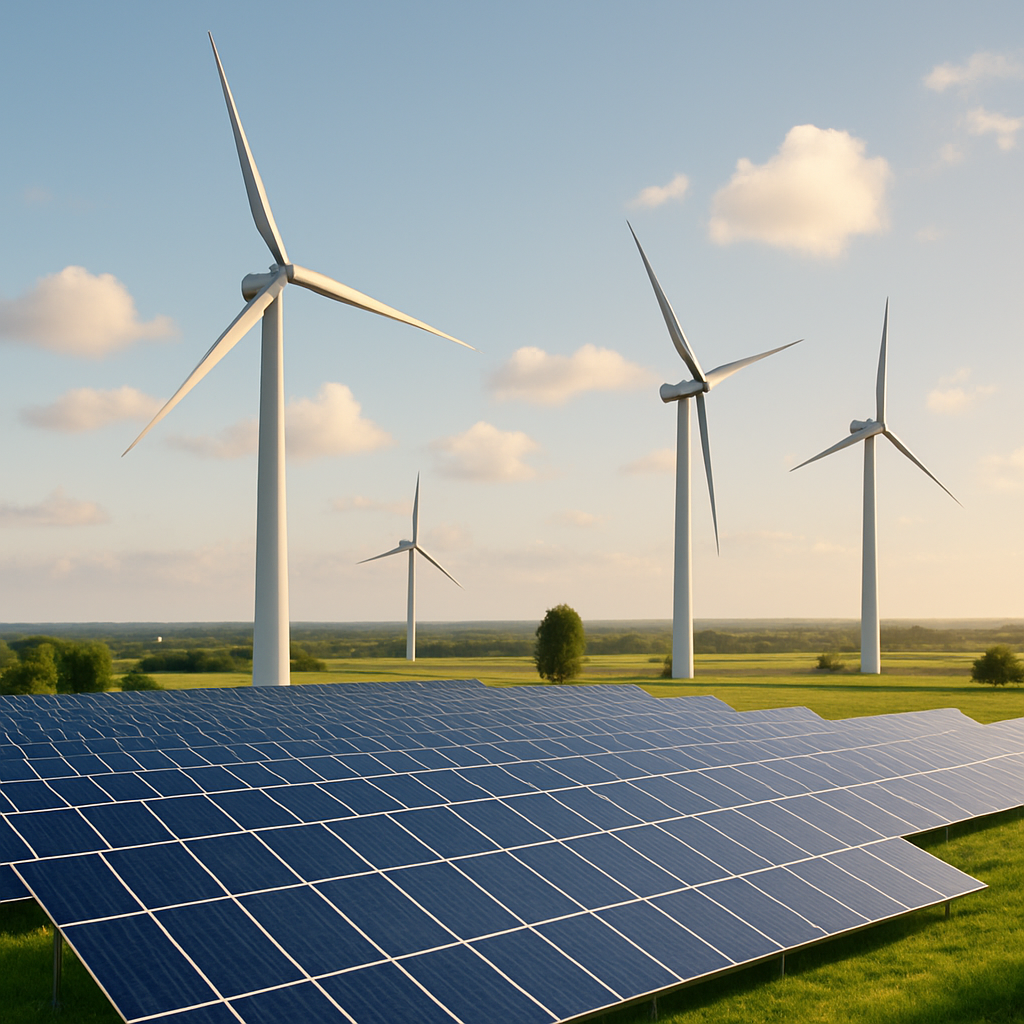
Zambia is experiencing critical power shortages driven by declining water levels in major reservoirs due to a drought and a less-than-optimal rainy season the last two consecutive years. Considering that approximately 86% of its electricity is generated from hydropower, the impact has been telling. Growing population demands and expanding economic activities have caused demand to exceed supply by over 1000MW. As a result, the country is shifting focus toward more climate-resilient energy sources such as solar, wind, and thermal power and hydropower projects in the northern part of the country, which is still has good hydrological conditions.
- Impact of Power Deficits
The persistent power deficits have compelled industries to seek costly alternative solutions, among them power from diesel generators, heavily affecting businesses especially SMEs and causing economic setbacks. At the household level, many resort to charcoal and firewood for cooking and heating, cutting more trees in a very unsustainable way.
- Electricity Policy Reforms
The sector has undergone significant reforms to promote private sector participation, including the implementation of the Energy Single Licensing System and the introduction of the Open Access Framework. These reforms have led to the emergence of Independent Power Traders (IPTs) who have been key to the importation of power. The reforms have also placed emphasis on developing interconnectors to tap into the Congo and East African Power Pool, thereby enhancing regional energy integration.
- Opportunities
The ongoing power shortages have galvanized several initiatives aimed at boosting supply. Notable among these is the Presidential Constituency Energy Initiative (PCEI). Under the PCEI, all the constituencies in Zambia will each have a 2MW solar plant, funded through the Constituency Development Fund and debt financing. This program offers a prime opportunity for financiers to bridge the funding gap and support local energy generation, reduce outages, and foster rural development.
Additionally, large-scale solar projects and Green City initiatives are expected to add substantial capacity to the grid while localizing power generation, reducing reliance on centralized hydropower. The surge in copper production also presents lucrative investment opportunities aligned with Zambia’s plans to develop a resilient and diversified energy sector.
- Investment Potential and Returns
Investments in Zambia’s energy sector offer promising returns: debt financing at 8-10% interest yields an equity internal rate of return (IRR) of 12-16%. As Sub-Saharan Africa intensifies efforts to build sustainable and future-proof energy systems, innovative financing models—such as combining concessional debt with equity—can help de-risk projects, lower financing costs, and maximize investor returns. These strategies support Zambia’s broader goals of energy diversification and economic growth.
- The Call for Investors and Financiers
The urgent need to address power shortages creates a compelling opportunity for global investors, commercial lenders, and development finance institutions. Funding clean and reliable energy solutions—spanning solar, green hydrogen, energy storage, and grid improvements—is vital to closing Zambia’s funding gap. The promising financial returns, combined with a positive ESG environment and supportive government policies, make Zambia’s energy sector an attractive destination for responsible and impactful investments.
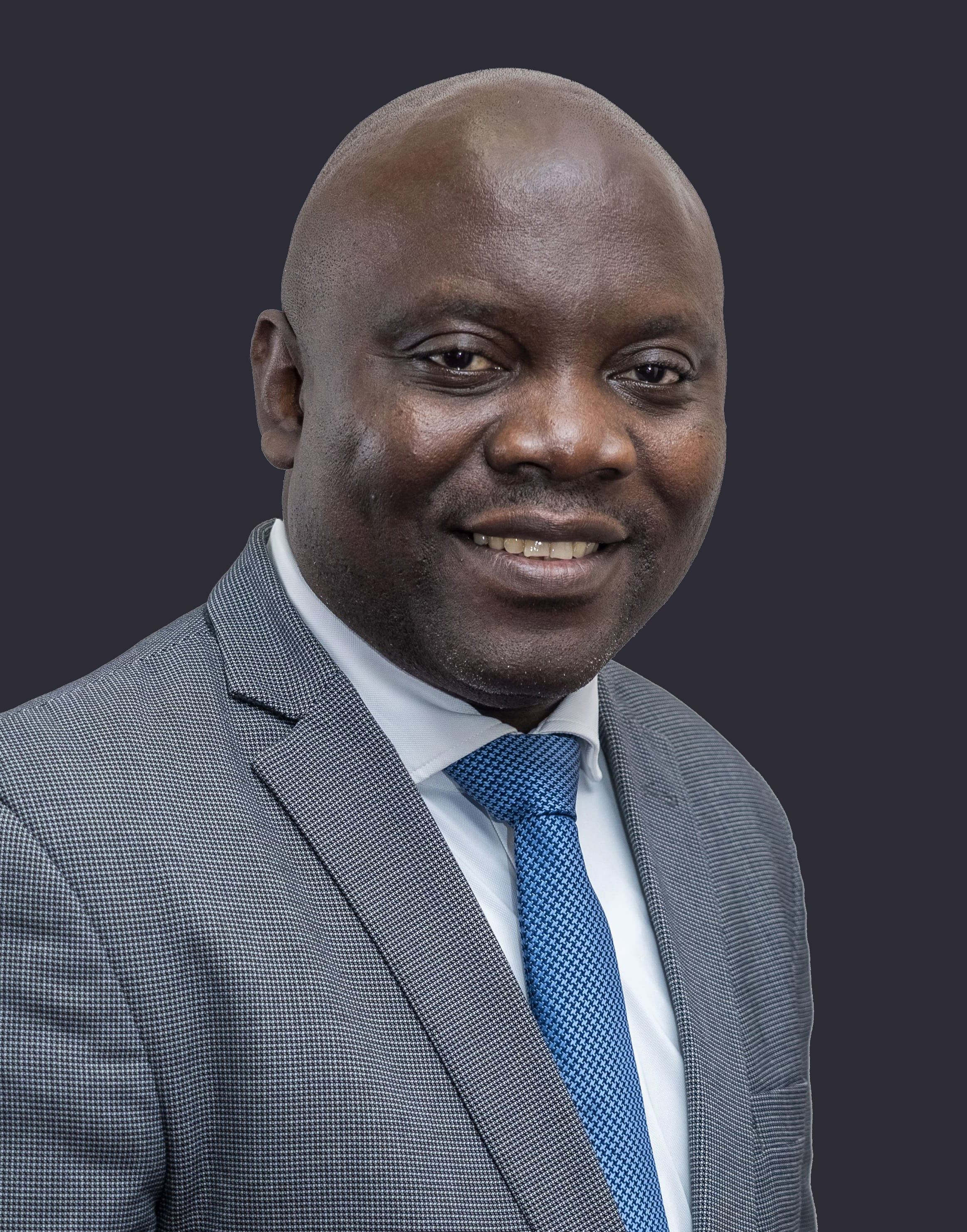
Fitzpatrick Kapepe is a distinguished Chartered Management Accountant and Financial Modeller from Zambia, currently serving as the Director Strategy & Business Development at ZESCO Ltd, the national electricity utility company where he oversees Power Contracts (Power Supply Agreements, Power Purchase Agreements, Balancing Agreements, Wheeling Agreements and System Operations Agreements), Strategy and M&E. The electricity utility company ZESCO generates over a $ 1 billion in revenues. Fitzpatrick has a rich background in financial strategy, has played a pivotal role in developing financial models that have shaped ZESCO's 10-Year Rolling Strategy and various public-private partnership projects. Fitzpatrick has over two decades of experience in Strategy, project financing, finance and accounting. His affiliations with key professional bodies, including the Chartered Institute of Management Accountants (CIMA) and the Financial Modelling Institute (FMI) in Toronto, Canada, underscore his expertise in financial modelling and financial analysis. Fitzpatrick is also recognized for his contributions as a trainer, having conducted Excel and financial modelling workshops for institutions like the Bank of Zambia, Konkola Copper Mines, Lubambe Mines and Kafue Gorge Training Centre.