.png)

Table of Contents
Sovereign wealth funds (SWFs) have entered 2025 with greater strategic clarity, sharper geopolitical awareness, and a far more active investment footprint than at any point in the past decade. Once perceived primarily as long-term reserve managers with conservative asset allocation models, modern SWFs are now functioning as developmental, impact-driven, and digitally empowered institutions shaping the next era of global capital flows.
The shift is structural, not cyclical. From climate transition finance to “sovereign AI” infrastructure, and from enhanced diversification to more hands-on corporate ownership, SWFs in 2025 are redefining what national long-term investing looks like. Their decisions increasingly influence global markets, emerging-market development pathways, and the geopolitical balance of technological capability.

From Passive Managers to Strategic Nation-Builders
A defining characteristic of SWFs in 2025 is a move away from pure capital preservation toward “double bottom line” objectives: financial returns coupled with national or Sustainable Development Goal-aligned outcomes. This evolution is driven by three forces:
- Economic transformation agendas, particularly in hydrocarbon-linked economies.
- Climate transition imperatives require massive investment in energy, infrastructure, and innovation.
- Technological sovereignty, as countries race to secure data, compute, and AI capacity.
As a result, many SWFs are now structured more like national development investors than traditional reserve funds. They are deploying capital strategically to accelerate industrial diversification, strengthen competitiveness, and attract private-sector partners to long-horizon domestic and cross-border projects.
This shift is most visible in the Middle East and parts of Asia, where national vision programmes, demographic shifts, and digital-first economic policies are driving multi-decade investment plans with SWFs at the centre.

Climate Transition as a Core Investment Mandate
Climate and sustainability are no longer peripheral considerations for sovereign investorsthey are core to policy, risk management, and asset allocation.
Many SWFs are deepening their commitments by aligning with frameworks such as the One Planet Sovereign Wealth Funds (OPSWF) principles. These principles help guide:
- Integration of transition and physical climate risk into asset-level decision-making
- Decarbonisation targets and timeline-linked portfolio actions
- Measurement of climate impact and avoided emissions
- Collaborative investment mechanisms to scale green finance
With governments under pressure to deliver net-zero pathways and with global infrastructure needs expanding, SWFs have emerged as influential financiers of low-carbon systems. Their long-term capital, patient return horizon, and strategic mandate position them uniquely to support projects where traditional private investors face risk or duration constraints.
Priority investment areas in 2025 include:
- Utility-scale renewable energy (solar, wind, geothermal)
- Transmission grid upgrades and digitalised grid management
- Battery and thermal storage solutions
- New nuclear, including modular reactor technologies
- Green hydrogen, ammonia, and industrial decarbonisation hubs
These investments are often executed through co-investment platforms, blended-finance structures with development banks, and “green capital bridges” designed to mobilise private capital toward emerging-market transition projects. For developing economiesmany of which struggle to attract large-scale energy transition finance, SWFs are becoming essential partners, de-risking projects and enabling capital formation at scale.
The Rise of “Sovereign AI” Infrastructure
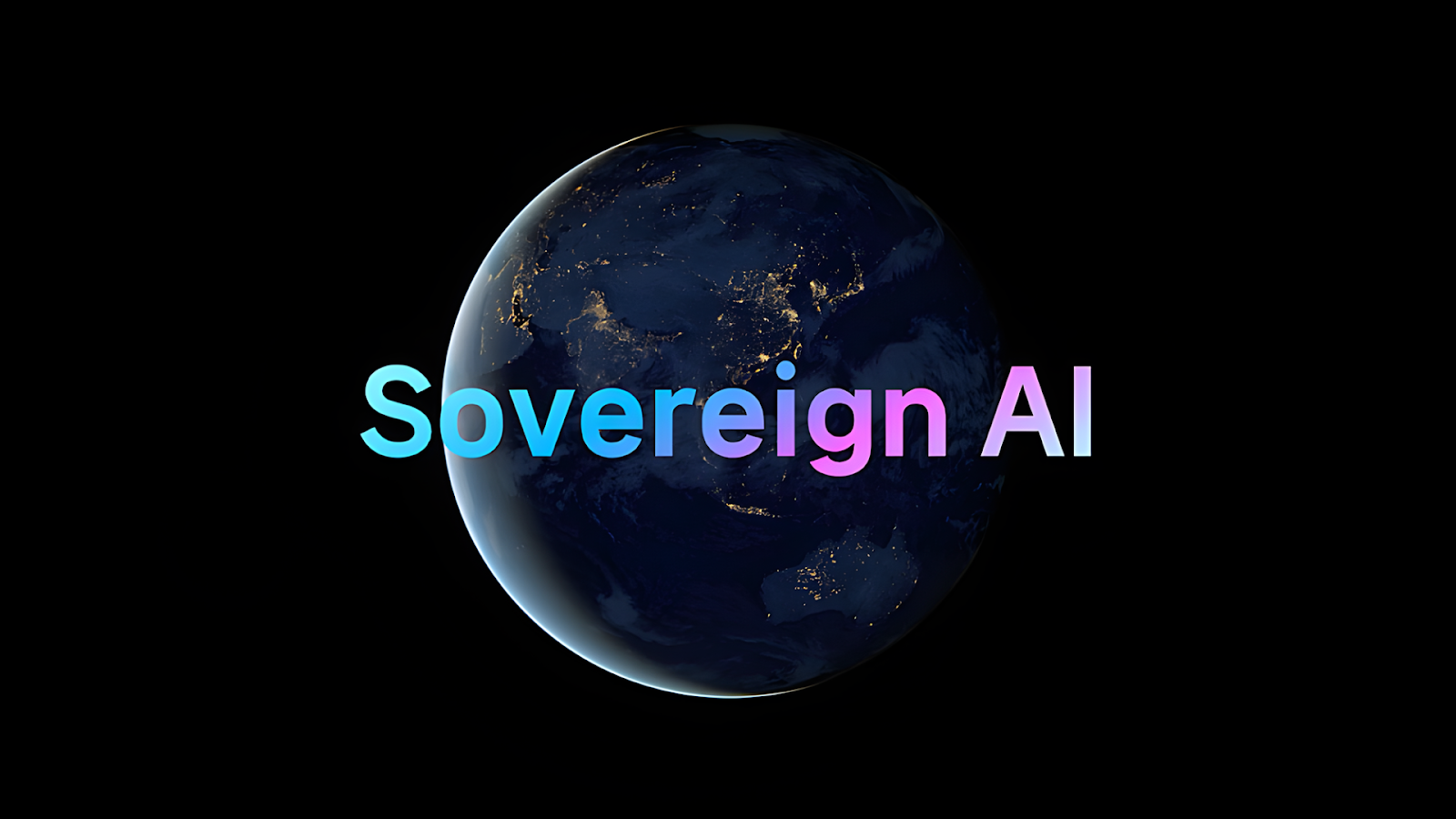
One of the most notable strategic pivots in 2025 is the recognition of AI infrastructure as a standalone asset class.
Broadly defined, sovereign AI infrastructure includes:
- Hyperscale and edge data centres
- High-performance compute (HPC) clusters
- Semiconductor and advanced packaging facilities
- High-capacity fibre networks
- Renewable energy inputs for compute-intensive operations
SWFs, especially in the Middle East and Asiaare treating AI capacity as a form of geopolitical leverage, not merely a commercial opportunity. As global demand for computing accelerates, governments are eager to ensure domestic access to training power, secure partnerships with leading technology firms, and build resilient digital ecosystems.
This shift is driving multi-billion-dollar partnerships between SWFs, global asset managers, semiconductor companies, and cloud service providers. Many initiatives involve joint ventures to build sovereign hyperscale data centres, secure critical chip supply chains, or develop renewable-powered AI and data parks.
In effect, SWFs are underwriting the backbone of future digital economiesensuring nations are not left behind in the race toward AI-native industrial competitiveness.
Recalibrating Asset Allocation for a More Volatile World
Despite these new strategic priorities, SWFs continue to rely on diversified exposure across public markets, private equity, real estate, and infrastructure. However, macroeconomic and geopolitical volatility in 2025 is prompting notable adjustments.
Key allocation and risk-management trends include:
- Reduced dependence on concentrated equity indices, with more active stock selection and factor diversification.
- Higher allocations to alternatives, especially private equity, private credit, infrastructure, and real assets, provide inflation-resilient returns.
- Selective deployment into global bonds, with a renewed focus on duration, inflation hedging, and geopolitical risk buffers.
- Greater regional diversification, as SWFs look beyond North America and Western Europe to India, Southeast Asia, and parts of Africa.
Active management is now more central to SWF strategy than at any point in recent memory. The increasing complexity of global marketsfrom interest-rate uncertainty to fragmented geopolitical blocsmeans that passive exposure is no longer sufficient for long-term sovereign investors.
Regional Dynamics: Middle East, Asia, and India Lead
Middle East & North Africa (MENA)
MENA SWFs continue to be among the most influential globally. Their strategies emphasise:
- Large-scale renewable energy and climate investments
- Sovereign AI and digital infrastructure programmes
- Strategic co-investment with global private capital
- High-impact domestic economic diversification
They play a dual role: delivering returns while future-proofing hydrocarbon-dependent economies through new sectors such as advanced manufacturing, clean energy, biotech, and digital ecosystems.
Asia
Asian SWFs are similarly active, with a stronger focus on:
- Technological capacity and semiconductor ecosystems
- Cross-border infrastructure to support regional trade
- Domestic financial-market deepening
Their investment approach frequently blends geostrategic priorities with commercial positioning, especially in technology and digital infrastructure.
India
India’s sovereign and quasi-sovereign vehiclessuch as NIIF and key state-led investment platforms, channelling significant capital toward:
- Green infrastructure and renewable energy
- Transport and logistics corridors
- Urban development
- Climate-aligned industrial zones and hydrogen ecosystems
These funds play a catalytic role in drawing global private investors into India’s infrastructure and energy-transition story.
At Global Banking & Markets, we help sovereign wealth funds, public-sector investors, and institutional partners navigate this fast-moving landscape with clarity, precision, and strategic insight. Our teams specialise in cross-border investment structuring, sustainable finance, AI and digital-infrastructure capital programmes, and multi-asset portfolio solutions that align long-term national priorities with real-world returns.
Whether supporting climate-transition financing, building sovereign AI capacity, mobilising private capital into emerging markets, or enhancing global investment diversification, Global Banking & Markets delivers the expertise, partnerships, and execution capability required to move from strategy to impact.