Table of Contents
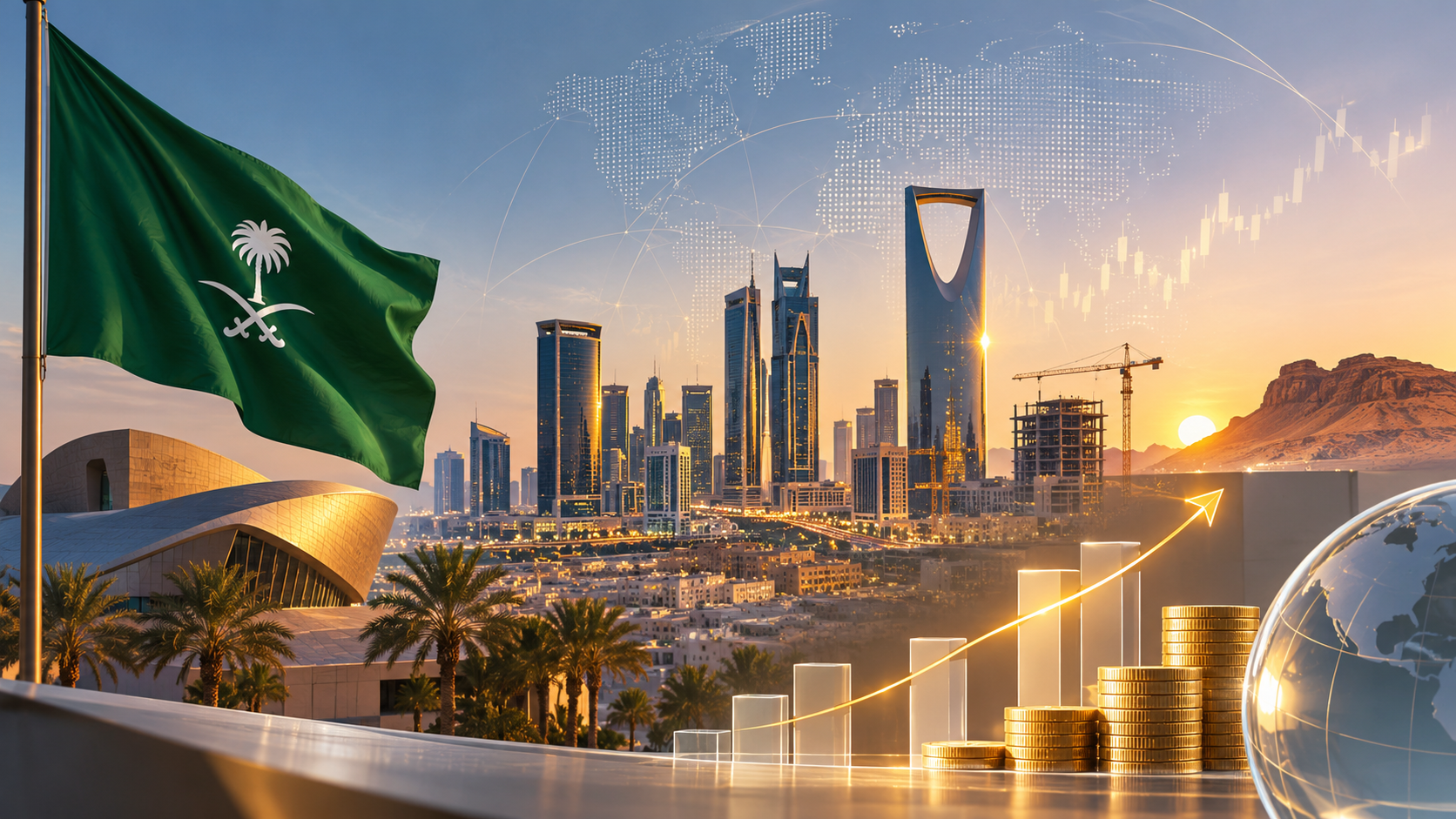
Saudi Arabia's Vision 2030 programme is changing the country's economic and financial structure through investments in infrastructure, industrial development, tourism, technology and private-sector expansion. These initiatives require substantial long-term financing and have increased the importance of developing domestic capital markets capable of supporting economic diversification.
Saudi Vision 2030 and the localisation of capital markets represent a broader shift towards strengthening domestic financing channels, expanding institutional participation and increasing the role of local currency debt instruments.
Historically, Saudi Arabia's financial system has relied heavily on banking sector financing and government-related funding. While these channels remain important, the growing capital requirements of public and private sector projects have increased the need for alternative sources of funding.
The development of local bond and sukuk markets, regulatory reforms and wider foreign investor access are helping expand the country's capital market ecosystem.
For international investors, this creates opportunities to participate in a market that is developing its domestic financing capabilities while maintaining connections with global capital markets.

Why Localising Capital Markets Matters Under Vision 2030
Capital market localisation involves developing domestic financial institutions, investment products, market infrastructure and investor participation.
For Saudi Arabia, this supports several strategic objectives.
1. Diversifying Sources of Corporate Financing
Companies traditionally dependent on bank loans can access additional financing through sukuk, bonds and equity markets.
A broader range of financing channels can help businesses fund expansion while allowing banks to manage balance-sheet exposure.
2. Mobilising Domestic Institutional Savings
Pension-related institutions, insurance companies, investment funds and asset managers can provide long-term capital for infrastructure and corporate development.
A deeper domestic investor base can reduce dependence on international funding conditions.
3. Strengthening Local Currency Financing
Local currency borrowing can reduce foreign-exchange mismatches for companies generating revenue in Saudi riyals.
It can also support the development of domestic yield curves and improve pricing benchmarks for corporate debt.
4. Attracting International Capital
Market reforms and improved infrastructure can make Saudi securities more accessible to global investors.
International participation can increase liquidity, diversify funding sources and strengthen the Kingdom's position in emerging-market investment portfolios.

The Development of Saudi Arabia's Debt Capital Markets
The expansion of the sukuk and debt instruments market is an important part of Saudi Arabia's financial sector development strategy.
The Capital Market Authority (CMA) has introduced initiatives aimed at increasing market participation, improving investor protection and diversifying financing options.
The results are increasingly visible.
According to the CMA's 2025 Annual Report, the value of listed sukuk and debt instruments reached approximately SAR 713.4 billion by the end of 2025, compared with SAR 663.5 billion in 2024.
Corporate sukuk and debt offerings raised approximately SAR 50.7 billion during 2025. The same report recorded assets under management exceeding SAR 1.2 trillion.
The Capital Market Authority's
These developments indicate an expanding financing ecosystem with greater participation from investment funds, financial institutions and international investors.
1. Expansion of the Sukuk Market
Sukuk provide Shariah-compliant financing through structures based on ownership interests, assets or underlying contractual arrangements.
They are relevant to both sovereign and corporate issuers seeking access to investors with different financing preferences.
For Saudi Arabia, sukuk can support:
- Government infrastructure expenditure.
- Corporate expansion.
- Real estate development.
- Energy and utilities investment.
- Green and sustainable financing.
The development of the domestic sukuk market also creates opportunities for investment funds and institutional investors seeking local currency exposure.
2. Growth of Corporate Debt Issuance
Corporate debt markets allow companies to raise capital without relying entirely on bank loans.
Established issuers can use bonds and sukuk to finance acquisitions, infrastructure development, refinancing and operational expansion.
A broader range of corporate issuers can also improve market diversification and create additional investment opportunities for institutional investors.
3. Development of Local Currency Government Debt
Government sukuk and bonds play an important role in establishing domestic yield curves.
Regular issuance across different maturities can provide pricing benchmarks for corporate borrowers and support secondary-market activity.
A functioning local currency debt market can also improve portfolio diversification for investors operating within the Kingdom.
Regulatory Reforms Expanding Foreign Investor Participation
International investor access is an important element of Saudi Arabia's capital market development.
One significant development took effect on 1 February 2026, when the CMA opened the Main Market to all categories of foreign investors for direct investment.
The reforms removed the previous Qualified Foreign Investor framework for Main Market access and replaced the earlier restrictions with broader direct participation arrangements.
Saudi Press Agency+1
This change has implications for both domestic issuers and international investment institutions.
Wider Access to Listed Securities
Broader eligibility can allow more international investors to participate directly in Saudi listed equities.
This can expand the potential investor base for companies seeking equity financing and improve access to global portfolio capital.
Increased Market Participation
International investors bring different investment mandates, risk appetites and portfolio strategies.
Their participation can support market activity and create opportunities for greater interaction between domestic and international financial institutions.
Strengthening Market Standards
A wider international investor base increases the importance of transparent disclosure, corporate governance and consistent regulatory standards.
These requirements support the development of a market that can accommodate different investor categories.
How Vision 2030 Is Supporting Domestic Institutional Investment
Local institutional investors are important to the long-term development of capital markets.
Their participation can provide a stable source of funding for government and corporate issuers.
Pension and Insurance Funds
Pension-related investment institutions and insurance companies typically have long-term investment obligations.
Government debt, sukuk and infrastructure-linked securities can provide assets with maturities suited to their investment requirements.
However, portfolio allocation depends on credit quality, liquidity, regulatory requirements and expected returns.
Asset Management Industry
The growth of domestic investment funds can broaden the range of available products and encourage wider participation in capital markets.
The CMA reported that assets under management increased by 18% during 2025 to exceed SAR 1.2 trillion.
The Capital Market Authority's+1
A larger asset management sector can support demand for debt instruments, equities, private market investments and structured products.
Sovereign Wealth Fund Participation
The Public Investment Fund (PIF) plays an important role in financing economic diversification and strategic investments.
Its capital markets programme includes conventional bonds, sukuk and green bonds across different currencies and maturities.
These instruments help diversify funding sources and connect the Kingdom's investment activity with international institutional capital.
Public Investment Fund
The Role of Local Currency Bonds in Financing Economic Diversification
Local currency debt markets are particularly relevant to Saudi Arabia's economic transformation.
Infrastructure, industrial development, tourism and technology projects require substantial financing over extended periods.
Borrowing in the currency in which project revenues are generated can reduce exchange-rate mismatches.
1. Infrastructure Development
Transport, utilities, energy and urban development projects require long-term financing.
Government bonds, sukuk and project-linked debt can support funding requirements across these sectors.
2. Industrial and Private-Sector Expansion
Manufacturing companies and industrial operators can use domestic debt markets to finance production facilities, equipment and business expansion.
Access to local currency funding can reduce dependence on foreign borrowing.
3. Real Estate and Tourism
Tourism developments, hospitality assets and large-scale real estate projects require different financing structures depending on their construction stage and revenue profile.
Sukuk, project finance and private debt can help meet these requirements.
4. Renewable Energy and Sustainability
Green bonds and sustainability-linked financing can support renewable energy, energy efficiency and other eligible projects.
These structures can attract investors with environmental, social and governance investment mandates.
Challenges in Deepening Saudi Arabia's Capital Markets
Despite progress, further market development requires attention to several structural considerations.
Secondary-Market Liquidity
A well-developed capital market needs active trading beyond primary issuance.
Limited secondary-market activity can make it difficult for investors to price securities accurately or exit positions before maturity.
The IMF's 2026 Article IV assessment identified secondary-market liquidity, price discovery, investor base concentration and repo market development as areas requiring further attention in Saudi Arabia's local currency debt market.
IMF eLibrary
Diversification of Issuers
A market dominated by government-related and highly rated issuers may offer limited credit diversity.
Greater participation from private-sector companies can expand investment options, although issuers must demonstrate appropriate financial reporting and credit quality.
Development of Market Infrastructure
Efficient settlement systems, reliable pricing mechanisms, repo facilities and collateral arrangements are necessary for deeper debt market participation.
Balancing Domestic and International Capital
Foreign investment can support market development, but domestic investors remain important for maintaining a stable funding base.
The objective is to develop complementary sources of capital rather than depend excessively on one investor category.
Managing Funding Requirements
Large-scale investment programs require careful coordination between government borrowing, corporate debt issuance, and bank financing.
Issuers must assess funding costs, maturity profiles, and refinancing requirements to avoid excessive concentration of debt obligations.
Saudi Arabia's Growing Position in Global Capital Markets
The development of domestic capital markets does not mean reducing international financial participation.
Instead, localization can strengthen the country's ability to connect domestic investment requirements with international capital flows.
The inclusion of Saudi government sukuk in major emerging-market local currency debt indices from 2027 is expected to increase their visibility among international portfolio investors, subject to index rules and market conditions.
The IMF's 2026 assessment identifies the planned index inclusions as an important development while noting that further improvements in liquidity and market depth remain necessary.
IMF eLibrary+1
International banks and financial institutions can participate through debt issuance, primary dealer activities, investment distribution, research and market-making services.
This creates a more interconnected financing environment in which domestic issuers can access international expertise and investors can gain exposure to Saudi market developments.
How GBM Helps Navigate Saudi Arabia's Capital Market Developments
Saudi Arabia's capital market transformation presents important considerations for investors, financial institutions, corporate issuers, and international market participants.
Understanding regulatory reforms, sukuk structures, local currency debt issuance, and institutional investor participation is essential when evaluating the opportunities emerging under Vision 2030.
Global Banking and Markets (GBM) focuses on the developments influencing global capital markets and cross-border financing activity.
For institutions engaging with Saudi Arabia's evolving financial ecosystem, GBM provides market-focused perspectives on capital formation, debt market development, investor participation and changing financing requirements.
This perspective helps market participants understand the relationship between domestic market reforms and international investment flows.
The Bottom Line
Saudi Vision 2030 is supporting the development of a more diversified domestic financing ecosystem. Growth in sukuk issuance, local currency debt markets, investment funds and foreign investor participation is expanding the role of capital markets in funding economic development.
However, the next stage of development will depend on stronger secondary-market liquidity, a broader issuer base, reliable market infrastructure and continued regulatory development.
For international investors, Saudi Arabia represents a market where domestic financing requirements and global capital flows are becoming increasingly interconnected.
Global Banking and Markets (GBM) provides insight into these changing market dynamics, helping financial institutions, investors, and issuers understand capital market developments, assess cross-border financing opportunities, and navigate the evolving international investment environment.