.png)
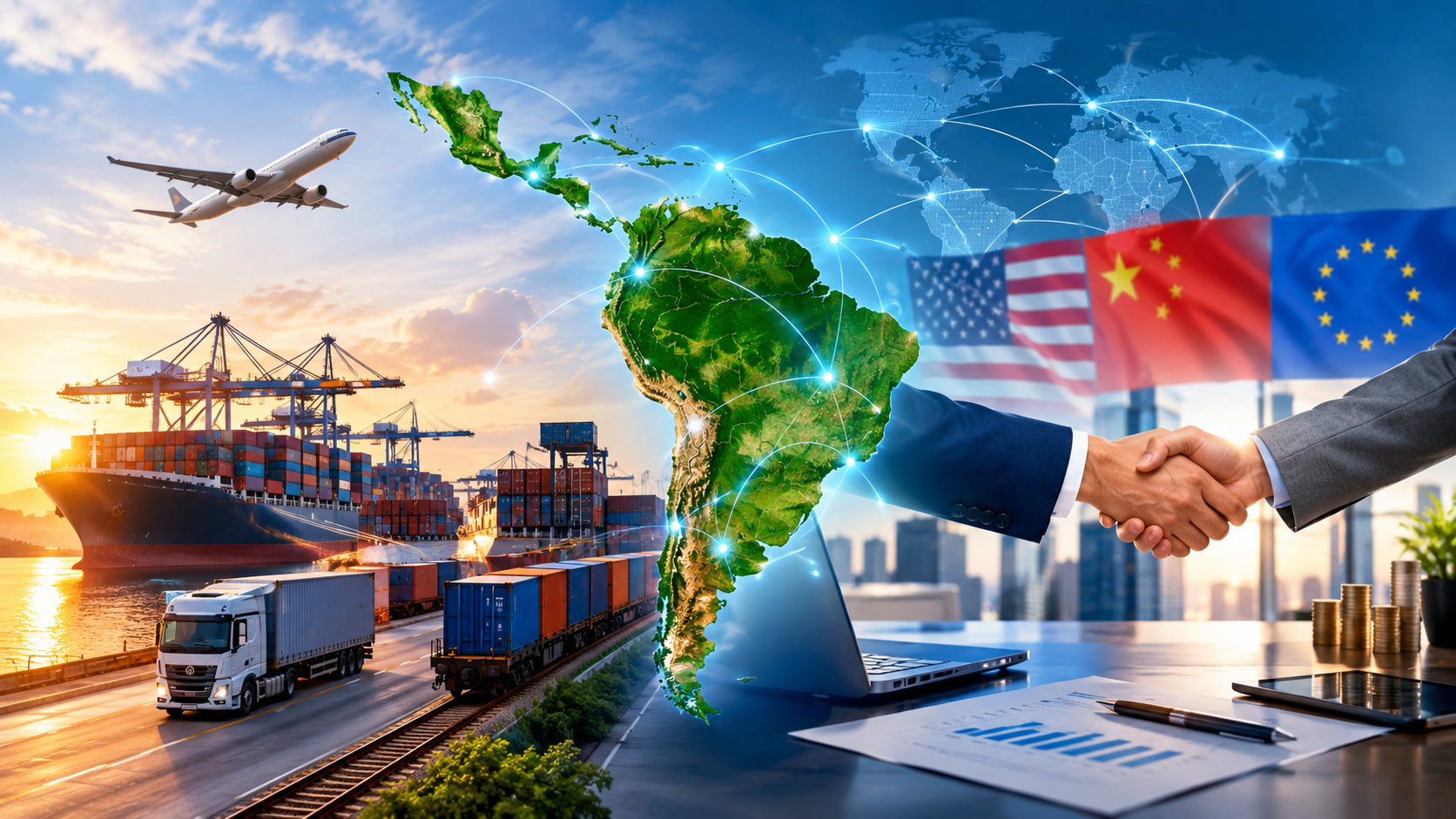
Table of Contents
Latin America is entering a new phase in global trade. Changing supply chains, stronger regional trade, nearshoring, and shifting relationships with the US, China, and Europe are changing how businesses approach the region. New trade dynamics are creating opportunities for manufacturers, exporters, investors, and financial institutions across Latin America.
This shift is about more than higher trade volumes. Companies are reconsidering where they source products, build factories, manage suppliers, and access new markets.
How New Trade Dynamics Are Changing Latin America
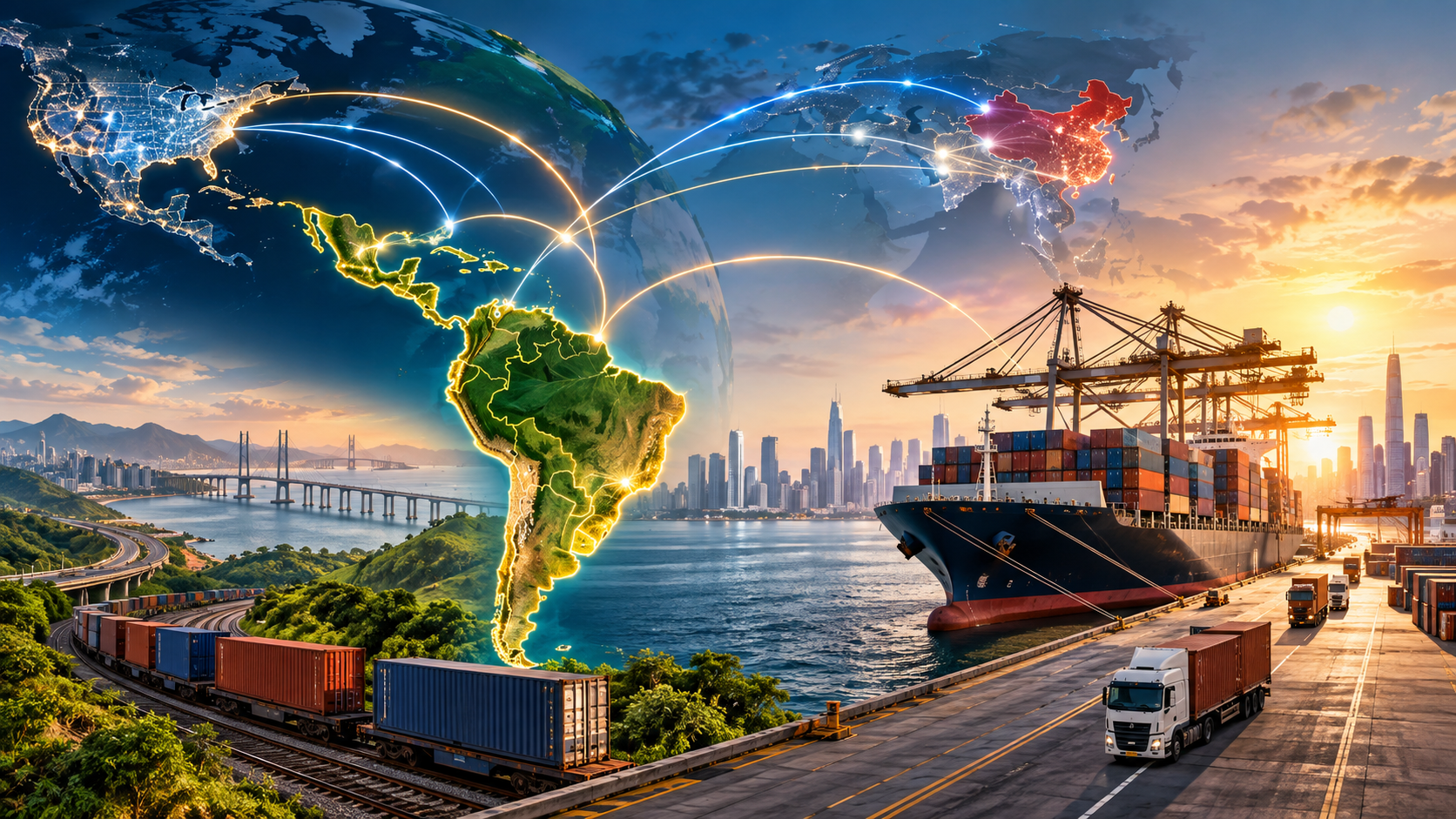
Several forces are reshaping the region's position in global commerce.
The new trade dynamics include:
- Growth in nearshoring and regional manufacturing
- Greater trade between Latin America and China
- Continued importance of the US market
- Expansion of digital trade and financial services
- Investment in ports, logistics, and infrastructure
- Greater interest in regional supply chains
These changes are encouraging companies to look beyond traditional trade routes and consider Latin America as part of broader global supply networks.
Why Nearshoring Matters
Nearshoring means moving production closer to the final market. For companies serving North American customers, Latin America can provide shorter supply routes and closer access to consumers.
Mexico has become a major example of this trend, while countries such as Brazil, Costa Rica, Colombia, and Chile also offer opportunities in specific industries.
Nearshoring can reduce transportation distances and make supply chains easier to manage. However, companies still need to consider labor costs, infrastructure, regulations, and access to skilled workers.
China and the US Are Reshaping Regional Trade
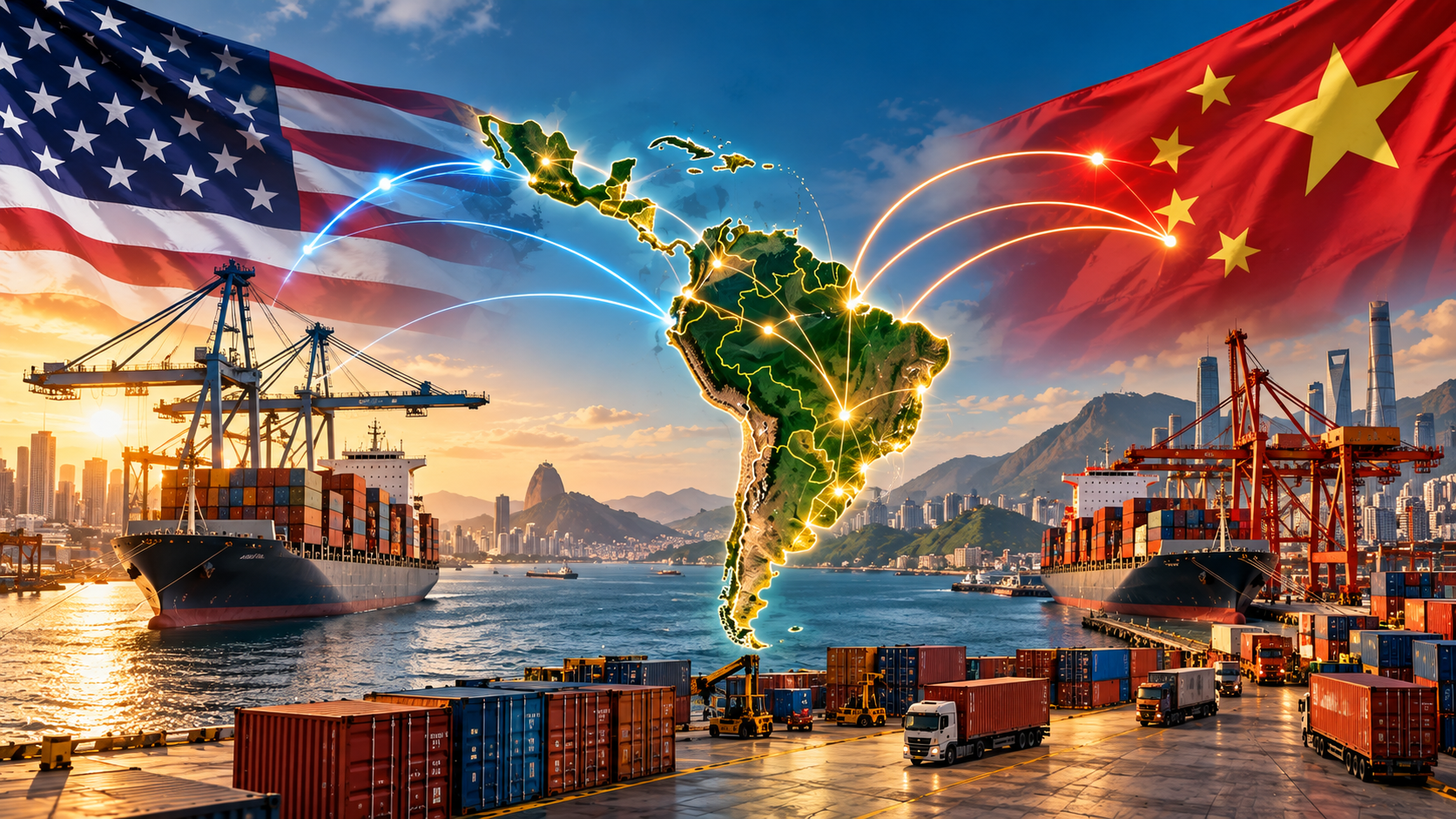
Latin America's trade relationships are becoming more diverse. China has expanded its role as a major trading partner and source of investment, particularly in commodities, infrastructure, energy, and manufacturing.
The US remains a major market for Latin American exports and an important source of investment.
These relationships create both opportunities and challenges. Businesses may gain access to more buyers and suppliers, but they also face changing tariffs, regulations, geopolitical risks, and shifting demand.
For financial institutions, understanding these new trade dynamics is increasingly important when assessing businesses exposed to international markets.

Regional Supply Chains Are Becoming More Important
Global supply chains have shown how quickly disruptions can affect production and prices. Companies are now paying more attention to supplier location, transportation routes, inventory levels, and alternative sourcing options.
Latin American businesses can benefit by developing stronger regional connections.
Regional supply chains can help companies:
- Reduce dependence on a single overseas supplier.
- Respond faster to changes in customer demand.
- Improve visibility across transportation networks.
- Build relationships with nearby suppliers.
- Reduce exposure to long-distance logistics disruptions.
This does not mean global trade is disappearing. Instead, companies are building supply chains with more options.
What These Changes Mean for Financial Markets
Trade changes also affect banking, lending, investment, and corporate finance.
Businesses expanding across borders may need working capital, trade finance, foreign exchange services, payment solutions, and investment funding. Banks and financial institutions therefore need a clearer view of how trade exposure affects individual companies and sectors.
The new trade dynamics also create demand for better financial data. Lenders can use trade flows, sector information, company performance, and market indicators to assess changing risks.
Opportunities for Businesses and Investors
The changing environment creates opportunities across several sectors, including:
- Manufacturing
- Agriculture and food processing
- Energy and renewables
- Mining and critical minerals
- Logistics and transportation
- Technology and digital services
- Financial services
Investors, however, need to assess each market individually. Latin America is not one uniform economy. Regulations, currencies, infrastructure, political conditions, and trade relationships differ significantly between countries.
What Businesses Should Watch Next
Companies operating in or entering Latin American markets should monitor several indicators.
Trade agreements can influence market access and tariffs. Infrastructure investment can affect logistics costs. Currency movements can change the profitability of cross-border transactions. Changes in US-China relations can also influence regional investment and commodity demand.
Businesses should also track consumer demand and government policies within individual countries.
Understanding these new trade dynamics requires looking at both global developments and local market conditions.
FAQ: New Trade Dynamics in Latin America
Which Latin American countries are benefiting most from nearshoring?
Mexico is one of the strongest beneficiaries because of its proximity and trade relationship with the US. Other countries can benefit where they offer suitable labor, infrastructure, skills, and market access.
How does China influence Latin American trade?
China is a major buyer of commodities and an important supplier of manufactured goods. Its investment also plays a role in infrastructure, energy, mining, and other sectors.
What industries could gain from changing trade patterns?
Manufacturing, logistics, energy, agriculture, mining, technology, and financial services could see new opportunities as companies adjust sourcing and investment strategies.
Does regional trade reduce dependence on global markets?
It can reduce dependence on individual suppliers or distant markets, but Latin America remains closely connected to global trade. Regional and international supply chains will continue to operate together.
What should financial institutions monitor?
Financial institutions should monitor trade exposure, currency movements, commodity prices, supply-chain risks, regulatory changes, and the financial health of companies involved in cross-border trade.
Conclusion
Latin America's role in global commerce is changing as businesses rethink supply chains, sourcing, investment, and market access. New trade dynamics are creating opportunities while introducing new risks that companies and financial institutions need to evaluate carefully.
For businesses and investors, the next step is understanding how these changes affect specific countries, industries, and financial markets. Visit Global Banking & Markets for more insights into international banking, financial markets, and emerging trade developments.